Tinubu’s Tax Reform Bills Signal New Fiscal Direction
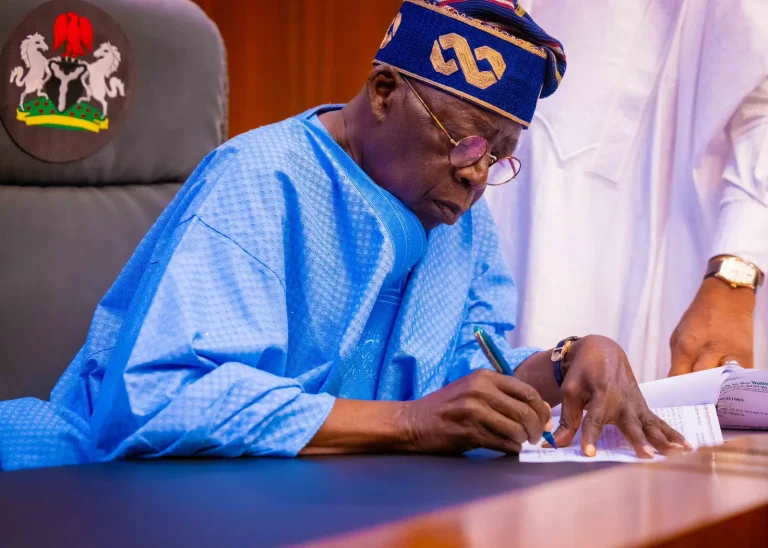
President Tinubu is set to sign into law four transformative tax reform bills, initiating a major overhaul of Nigeria’s revenue system.
According to presidential spokesperson Bayo Onanuga, the four bills—Nigeria Tax Bill, Nigeria Tax Administration Bill, Nigeria Revenue Service (Establishment) Bill, and Joint Revenue Board (Establishment) Bill—were passed after broad stakeholder consultation and National Assembly approval.
How Tinubu’s Reforms Will Boost Business Climate
The Nigeria Tax Bill seeks to streamline fragmented tax laws into a single statute, boosting ease of doing business. It aims to reduce the number of taxes, eliminate overlaps, and make tax compliance less burdensome for Nigerian businesses.
These steps align with Tinubu’s economic strategy to encourage local and foreign investment through predictability and simplicity in tax obligations.
Tinubu Establishes Unified Tax Governance System
Another major step under Tinubu’s reforms is the Nigeria Tax Administration Bill, which standardizes tax procedures across all tiers of government. It’s supported by the Nigeria Revenue Service (Establishment) Bill, which replaces the current FIRS with a more independent Nigeria Revenue Service (NRS).
ALSO READ : Tinubu, Queen of Denmark Strike Deal
The fourth bill—the Joint Revenue Board (Establishment) Bill—creates coordination between revenue agencies and introduces accountability tools like the Tax Appeal Tribunal and the Office of the Tax Ombudsman.
Historic Signing Event at State House
The bills will be signed into law at the State House, Abuja, in a ceremony attended by top officials including the Senate President, House Speaker, Finance Minister, and governors. The move reflects President’s commitment to systemic reform.
Legislative Background and Endorsement
These bills, originally submitted in November 2024, were subjected to intensive legislative scrutiny. Senator Yemi Adaramodu noted the legal vetting took time due to the scale and importance of the reforms. The final documents were harmonized and jointly signed by Senate and House leadership before transmission to the Presidency.