


Major Health Issue in Nigeria: Six Leading Health Threats
Health issue in Nigeria ; Nigerian faces an alarming rise in several serious health challenges affecting both urban and rural populations. This article highlights six of the most common and deadly health issue in Nigeria . the current situation surrounding them, and vital measures for prevention and care.
1. Malaria
Malaria remains one of the deadliest health problems in the country, especially among children and pregnant women. Nigeria accounts for the highest global malaria burden, making it the leading cause of child mortality. Interventions like insecticide-treated bed nets, rapid diagnostic kits, and preventive treatments for expectant mothers have helped reduce the malaria parasite rate in children under five by 36% between 2010 and 2015, according to the Malaria Indicator Survey. The U.S. President’s Malaria Initiative has distributed 22 million mosquito nets, 14 million rapid tests, 48 million treatments, and 8 million pregnancy prevention doses since 2014.
2. Heart Disease
Heart-related conditions have quietly become a growing concern. In 2016, Nigeria mourned the sudden deaths of Stephen Keshi and Shuaibu Amodu, both national football legends, due to suspected heart attacks. Unfortunately, similar cases are reported frequently among younger individuals. The World Health Organization’s 2018 data revealed that coronary heart disease accounted for 108,578 deaths, which made up 5.6% of total deaths in Nigeria. Alarmingly, the country ranks 31st globally in heart disease mortality rates. Limited health infrastructure and awareness programs have worsened this crisis, leaving early detection and preventive care underemphasized.
3. High Blood Pressure
Hypertension is another widespread concern, affecting approximately 76.2 million Nigerians. However, only about 23 million people are receiving treatment. Studies suggest the condition impacts 30.7% of men and 25.2% of women. Often symptomless, high blood pressure can lead to severe complications such as strokes and heart attacks. Its causes vary, from age, genetics, and stress to poor lifestyle habits like smoking and excessive alcohol consumption. Emergency medical attention is essential if blood pressure exceeds 180/120 alongside symptoms such as chest pain, breathlessness, numbness, vision changes, or severe headaches.
ALSO READ : Whittlesea Outrage: 3 Nurses Suspended After Scandal
4. Cancer
Cancer causes over 70,000 deaths yearly in Nigeria — with breast, cervical, and prostate cancers being the most prevalent. Around 100,000 new cases are recorded every year. Breast cancer alone accounts for 25.7% of all cases, making it the top cancer type, followed by cervical (14.6%) and prostate (12.8%). Lack of early detection and limited access to treatment centers worsen the situation. Data from Ibadan and Abuja show the average diagnosis age for men is 51.1 and 49.9 years, and for women, it is 49.1 and 45.4 years, respectively.

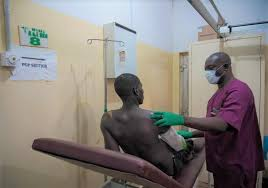
Healthcare professionals addressing pressing healthl issues in Nigeria
5. Diabetes
Cases of diabetes are rising steadily, presenting a critical medical issue in Nigeria. The International Diabetes Federation projects a surge in African cases, with Nigeria being the hardest hit. An estimated four million Nigerians live with either type 1 or type 2 diabetes, though over half remain undiagnosed. Poor disease management at public healthcare centers and limited public awareness make early intervention difficult. Without adequate care, complications like kidney failure, nerve damage, and cardiovascular disease are likely to increase.
6. Stroke
Strokes are the leading neurological emergency in Nigerian hospitals, responsible for up to 80% of neuro-related hospital admissions and about 200,000 cases annually. It ranks high as a cause of death and disability among adults. Uncontrolled high blood pressure is the primary risk factor. Survivors often endure significant physical and mental impairment, placing emotional and financial strain on families. Despite its prevalence, public education on prevention and emergency response remains insufficient.
The Path to Prevention
Addressing the growing health issue in Nigeria demands a proactive, preventive health culture. Regular health check-ups, including blood pressure, blood sugar, and cholesterol screenings, alongside age-appropriate cancer screenings and annual physical exams, can help detect health problems early. A nationwide focus on prevention rather than treatment would drastically improve health outcomes and reduce avoidable deaths.