Malaria: Everything You Need to Know About This Life-Threatening Illness
This disease is a serious, potentially fatal disease caused by parasites transmitted to humans through the bite of an infected mosquito. It is predominantly found in hot, humid regions such as Africa and parts of Asia. Thankfully, antimalarial medications are available to cure the infection. If you plan to travel to a malaria-prone region, consult a healthcare provider on the best ways to prevent infection.
What Is Malaria?
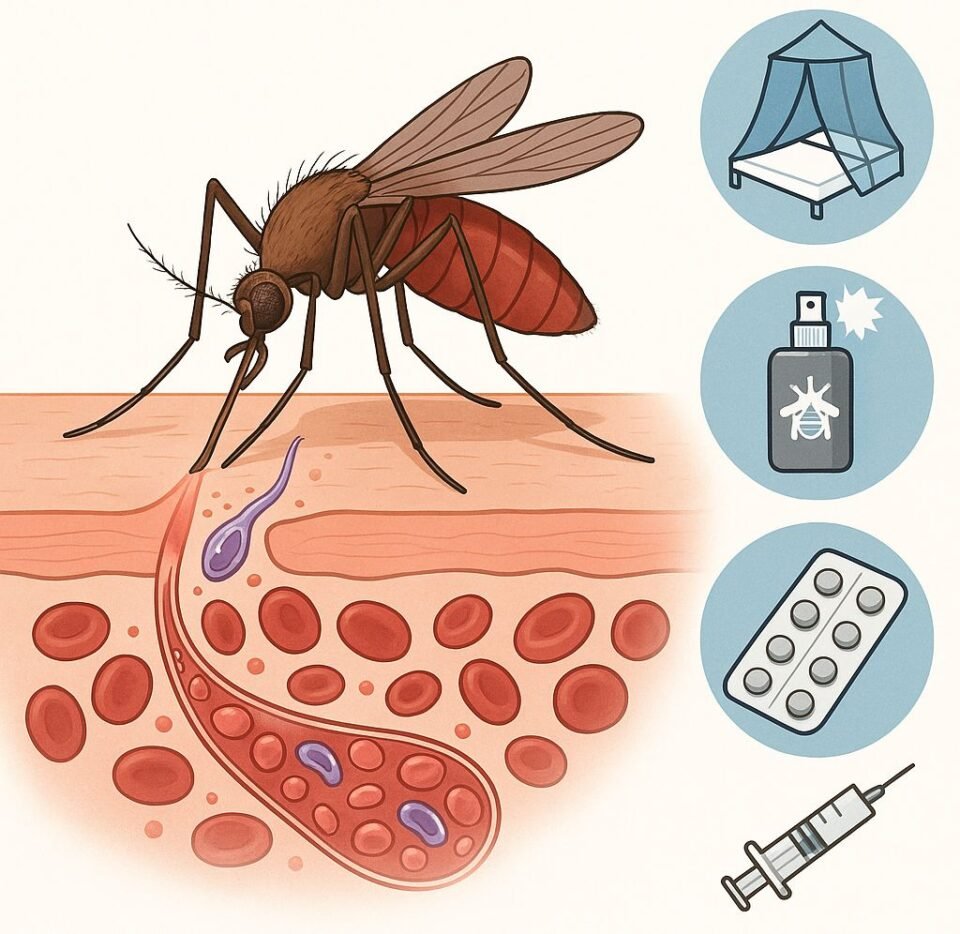
It’s a dangerous disease caused by the bite of a mosquito carrying Plasmodium parasites. Upon biting, the mosquito releases these parasites into a person’s bloodstream.
This disease remains widespread in tropical regions with warm, humid climates. Africa and South Asia record the highest number of cases, while malaria is rare in the United States.
Without timely treatment, it can lead to severe complications such as brain damage, organ failure, and death. It’s essential to seek immediate medical attention if you experience symptoms after visiting a region where the disease is prevalent.
Symptoms of Malaria
Common signs and symptoms of this disease include:
• Fever and sweating
• Severe chills
• Headaches and muscle pain
• Fatigue
• Chest pain
• Breathing difficulties
• Cough
• Diarrhea
• Nausea and vomiting
• Seizures
As the disease progresses, it can cause anemia and jaundice (yellowing of the skin and eyes).
When Do Symptoms Appear?
Symptoms of this sickness typically surface between one week and one month after infection. However, in some cases, individuals may remain asymptomatic for a year or more after being bitten. Even after treatment, it can recur years later.
ALSO READ : Health Issue in Nigeria You Must Know
Causes of this Disease
It’s caused by Plasmodium parasites. Five parasite species can infect humans. A mosquito becomes infected after biting an already infected individual. The parasite then multiplies in the mosquito’s system and is passed to another person when bitten.
In rare instances, this disease may be transmitted from a pregnant woman to her unborn child, or through blood transfusions, organ transplants, or shared needles
Risk Factors for Malaria
You are at higher risk of contracting it if you live in or travel to regions where it’s common, such as parts of Africa. The risk of severe illness increases for:
• Children under five years
• Pregnant women
• Individuals with weakened immune systems
• People without access to adequate healthcare
It thrives in areas with warm, humid climates, including:
• Africa
• Central and South America
• The Dominican Republic, Haiti, and parts of the Caribbean
• South and Southeast Asia
• Islands in the Central and South Pacific Ocean (Oceania)
Complications of Malaria
Without proper treatment, it can lead to:
• Coma
• Organ failure
• Dea
How Is Malaria Diagnosed?
A healthcare provider will assess your symptoms and travel history. It’s important to disclose recent travels to malaria-endemic countries for an accurate diagnosis.
ALSO READ : The Early Signs of Diabetes You Should Never Ignore
A blood sample is analyzed in a laboratory to detect the presence of Plasmodium parasites. The test identifies both the existence of malaria and the specific parasite type, which guides appropriate treatment.
How To Treat It
Antimalarial medications are effective in treating this disease infections. Early treatment is crucial to prevent complications such as permanent organ damage or death. Treatment plans vary based on the specific Plasmodium species causing the infection. Some parasites have developed drug resistance, requiring alternate therapies.
Common antimalarial medications include:
Artemether and artesunate (artemisinin-based)
• Atovaquone
• Chloroquine
• Doxycycline
• Mefloquine
• Quinine
• Primaquine
After treatment, it’s essential to take precautions against future mosquito bites, as reinfection is possible.
If you live in or have recently traveled to a region where it’s common and exhibit symptoms, consult a healthcare provider immediately. Early detection makes treatment more effective.
How Can I Prevent Malaria ?
Before traveling to malaria-prone areas, consult a healthcare professional for preventive options. Infected travelers returning to the U.S. can potentially spread malaria through local mosquito bites.
A provider may prescribe antimalarial drugs for use before, during, and after travel. While these medications greatly reduce infection risk, if it develops while on prophylaxis, an alternative treatment will be required.
Additional protective measures include:
• Applying mosquito repellent containing DEET to exposed skin
• Sleeping under mosquito nets
• Installing window and door screens
• Treating clothing and bed nets with permethrin insect repellent
• Wearing long-sleeved shirts and trousers
Two vaccines are currently available to protect against malaria. Public health authorities recommend vaccination for children in high-risk areas.
It’s a severe disease, but preventive measures and timely medical care can reduce risks significantly. If you’re traveling to a region where malaria is common, speak with your healthcare provider several weeks before your trip particularly if you’re pregnant. Seek immediate medical attention if symptoms appear after visiting or living in such areas.