Overview of the Nigerian Civil War
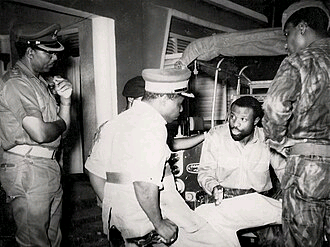
The Nigerian Civil War (6 July 1967 – 15 January 1970), also referred to as the Biafran War, was a brutal conflict fought between Nigeria and the secessionist Republic of Biafra. Led by General Yakubu Gowon for Nigeria and Lieutenant Colonel Chukwuemeka Odumegwu Ojukwu for Biafra, the war stemmed from long-standing political, ethnic, religious, and cultural tensions that escalated after Nigeria gained independence from Britain between 1960 and 1963.
Causes of the Nigerian Civil War
The immediate triggers for the Civil War in 1966 were a military coup, a subsequent counter-coup, and violent anti-Igbo massacres in Northern Nigeria. These events prompted a mass movement of Igbo people back to their ancestral homeland in the Eastern Region. Fearing for their safety and doubting the federal government’s willingness to protect them, Eastern leaders—whose population was predominantly Igbo—declared independence as Biafra.
Key Events and Developments
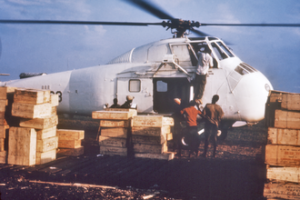
In less than a year, Nigerian forces surrounded Biafra, capturing key locations including vital coastal oil installations and Port Harcourt. A blockade enforced by Nigeria led to mass starvation and a severe humanitarian crisis in Biafra. Throughout the Civil War, about 100,000 military personnel lost their lives, while civilian deaths from famine were estimated between 500,000 and 2 million.
ALSO READ :The Untold Mystery of Flight 370
Global Reactions and Impact of the Nigerian Civil War
The Civil War was among the first conflicts broadcast on global television, with images of starving Biafran children generating worldwide sympathy. The conflict spurred the rise of international non-governmental organizations (NGOs) and inspired humanitarian missions such as the creation of Doctors Without Borders. The war also highlighted difficulties within pan-Africanism and exposed the limitations of the Organization of African Unity during Africa’s early post-colonial era.
Political and Social Aftermath
Since the end of the Civil War, the Igbo people have experienced significant political marginalization. Nigeria has not produced an Igbo president since the war’s conclusion, contributing to ongoing sentiments of exclusion. This has fueled Igbo nationalism and led to the formation of modern secessionist movements like the Indigenous People of Biafra (IPOB) and the Movement for the Actualization of the Sovereign State of Biafra (MASSOB).