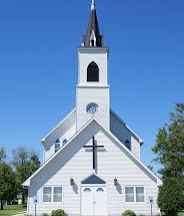
The church, as an institution, has a long and intricate history that traces back to the earliest days of Christianity. Its formation was not a single event but rather a gradual process influenced by religious, social, and political developments over centuries.
The term “church” comes from the Greek word ekklesia, meaning “assembly” or “called-out ones.” In its earliest sense, it referred to gatherings of people who shared a common faith in Jesus Christ. The origins of the church are directly tied to the ministry of Jesus of Nazareth in the 1st century CE. Jesus preached a message of love, forgiveness, and salvation, and he gathered disciples to follow him.
After Jesus’ crucifixion and resurrection, his followers continued spreading his teachings. The book of Acts in the New Testament documents the formation of the first Christian communities in Jerusalem and surrounding areas. These early groups met in homes to pray, share meals, and support one another, establishing a foundation for the organized church.VIDEO: Pastor’s Daughter’s Viral S*x Tape Leaves Internet in Shock, Watch!
The early church faced significant challenges, including persecution by Roman authorities and internal disagreements. Despite these obstacles, Christianity spread rapidly throughout the Roman Empire. Missionaries like Paul of Tarsus traveled extensively, establishing churches in cities across Asia Minor, Greece, and Rome.
By the 4th century, Christianity had grown significantly, culminating in Emperor Constantine’s Edict of Milan in 313 CE, which granted religious tolerance for Christians. This marked a turning point, allowing the church to operate openly and gain political influence. During this period, major church structures were built, formal hierarchies were established, and the canon of Christian scriptures was solidified.Story of Shina Rambo: The Notorious Armed Robber Who Terrorized Nigeria in the 1990s
Over the centuries, the church evolved in response to cultural, theological, and political changes. The Great Schism of 1054 divided Christianity into the Roman Catholic Church in the West and the Eastern Orthodox Church in the East. Later, the Protestant Reformation in the 16th century led to the creation of various Protestant denominations, further diversifying Christian practice.
Modern churches continue to serve as places of worship, community, and guidance. While traditions and practices vary among denominations, the core mission of the church—to bring people together in faith, service, and devotion, remains constant. Today, the church is not only a religious institution but also a significant social and cultural force around the world. For More updates, join our telegram channel
From humble gatherings in private homes to grand cathedrals and global institutions, the church has undergone remarkable transformation over the centuries. Its history reflects humanity’s quest for spiritual connection, moral guidance, and community. Understanding how the church came into existence provides insight into its enduring role in shaping societies and nurturing faith across generations.